Found in google search :
https://www.linkedin.com/in/sazali-yusoff-b3091014/?originalSubdomain=my
https://scholar.google.com/citations?user=lVyv7I8AAAAJ&hl=en
http://sazaliyusoff.blogspot.com/
https://www.facebook.com/sazali.yusoff.9
https://independent.academia.edu/SAZALIYUSOFF
http://myrepositori.pnm.gov.my/xmlui/handle/1/645/browse?type=author&value=Sazali+Yusoff
http://www.mseam.org.my/
http://etd.uum.edu.my/view/creators/Sazali=3AYusoff=3A=3A.html
https://www.thestar.com.my/news/education/2016/07/24/msian-team-wins-contest/
https://books.google.com.my/books?id=QQIoDwAAQBAJ&pg=PA207&lpg=PA207&dq=sazali+yusoff&source=bl&ots=krVy7-whzF&sig=ACfU3U2kMlnCzaC12w70O2HGX8AGGNBj6w&hl=en&sa=X&ved=2ahUKEwjB1N6Rg8fiAhVBOo8KHXm4DxQ4FBDoATAAegQICRAB#v=onepage&q=sazali%20yusoff&f=false
https://worldconferences.net/home/reviewers
http://14.139.122.9/ICHEBaou/wp-content/uploads/2016/08/brochure_edu.pdf
http://doingdemocracy.ning.com/profile/SAZALIYUSOFF?xg_source=profiles_memberList
http://eprints.iab.edu.my/v2/cgi/exportview/creators/Sazali=3AYusoff=3A=3A/HTML/Sazali=3AYusoff=3A=3A.html
https://www.pressreader.com/
http://ojs.upsi.edu.my/index.php/MRJ/Editorial-Advisory-Board
http://www.ipgktb.edu.my/iconfed/publication_day1.pdf
http://geaerd.org/about-us/our-advisors/
http://www.globaleneo.org/publications/advisory-board-publications
Friday, May 31, 2019


Sunday, December 9, 2018
Surabaya Headteachers
8 Nov 2018
IPGK Tuanku Bainun


IPGK Tuanku Bainun
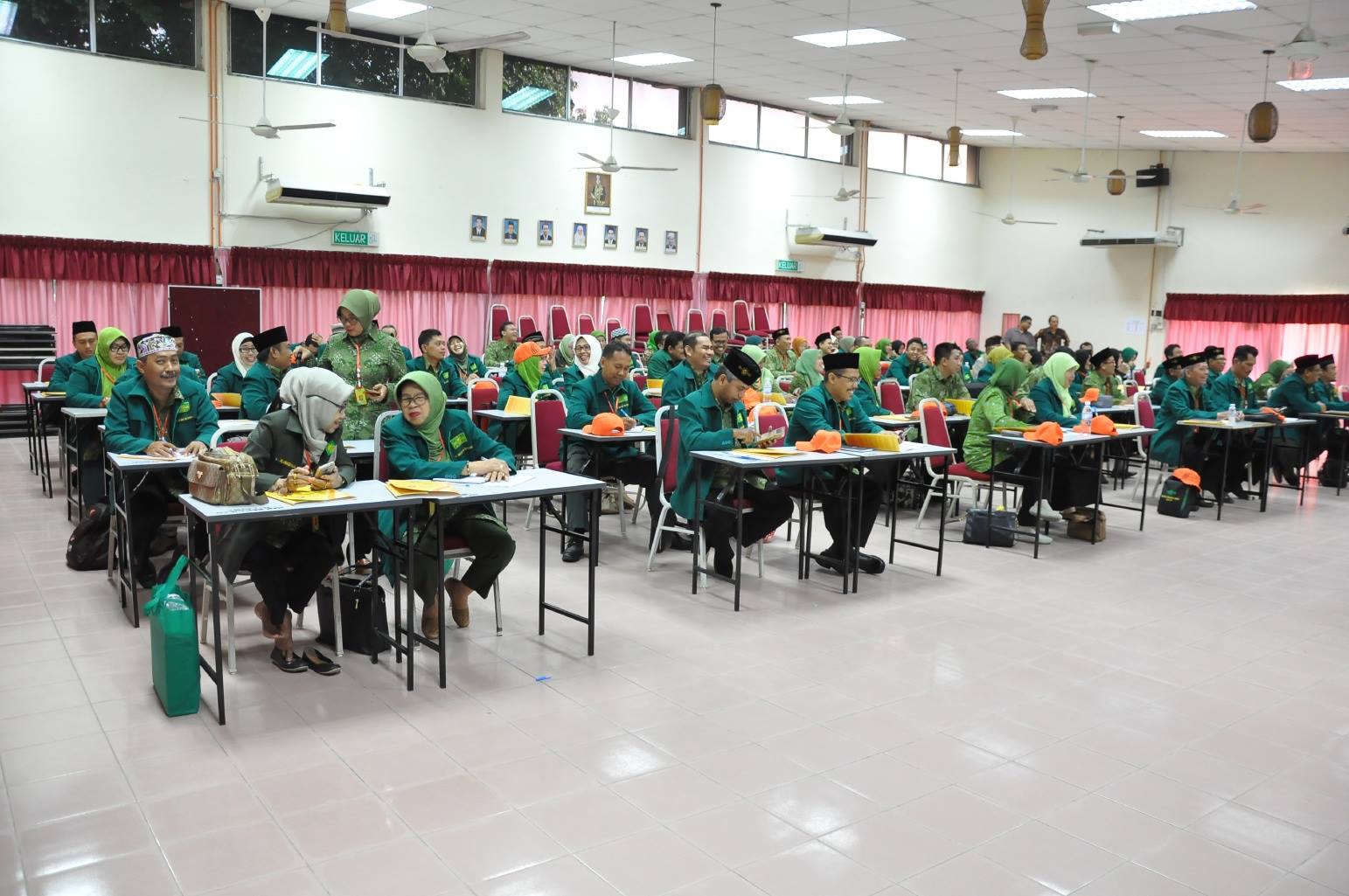
96 school leaders from Surabaya Indonesia came to IPGKTB for their internationalization program and staff development. Dr. Sazali, Dr. Auzait, Dr. Noor Miza and Dr. Sajap from IPGKTB delivered their talks on school management and leadership, pedagogy, technology-based teaching and classroom-based research.

 |
| Books souvenirs published by IPGKTB for the Head of Delegation |


 |
| Delivering talks on Effective School Leadership |

University of Cambridge
University of Cambridge
26 Nov 2018
Attending a seminar at the Faculty of Education, University of Cambridge, UK.


26 Nov 2018
Attending a seminar at the Faculty of Education, University of Cambridge, UK.
 |
| Prof. Keith Taber : Books published by Institute of Teacher Education Tuanku Bainun Campus for University of Cambridge |


Tuesday, July 31, 2018
CLIPLAS
 |
| Sazali, Y., Auzait, S., & Mohd Nasir, O. (2018). CLIPLAS : Towards Indigenous Pedagogy. Penang : Institute of Teacher Education Tuanku Bainun Campus |
CHAPTER 1
INTRODUCTION TO CLIPLAS
Sazali Yusoff, Mohamad Nasir Othman & Auzait Shamsudin
What is CLIPLAS?
The “Classroom Improvement Programme Lecturer Attachment Scheme”, also known by the acronym CLIPLAS is a project initiated by Dr. Sazali Yusoff, the director of the Institute of Teacher Education Tuanku Bainun Campus. It was the result of discussions between the director and a group of lecturers at the end of 2016. The aim of this project was to assist schools in enhancing the effectiveness of teaching and learning in the classroom. The CLIPLAS project is unique in that lecturers from the institute would go to a school, identify the problem or issue of concern in the teaching-learning process, plan and implement lessons and finally, reflect on the implementation of teaching and learning.
In implementing this project, it is hoped that the lecturers would be able to enhance their professional and research skills and be role models for the teachers, headmasters/headmistresses who were invited to observe the lessons. In this way, the teachers would be able to observe the exemplified strengths of the teaching. Feedback on the lesson was also sought from the observers so that the quality of teaching and learning could be further enhanced.
Social learning theorists such as Bandura (1971) stresses that people learn through the process of modelling, which is a process of observing and imitating. According to Bandura’s theory of social learning, learning by observing is a basic human behaviour. By observing the process and the product of the change in other people’s behaviour, individuals learn, directly and indirectly, about the change of behaviour. Bandura refers to the person being observed as the model and the process of learning through observation as modelling.
Justification for CLIPLAS
The Malaysia Education Blueprint (MEB) 2013-2025 identifies 11 key shifts to transform the national education system. The fourth shift is to transform the teaching profession into the profession of choice and one of the initiatives in this shift is to develop the institutes of teacher education (ITE) into world class teacher education universities by 2025. One of the strategies to achieve this initiative involves upskilling of ITE lecturers.
Studies across the globe have shown that the quality of teachers is the most significant school-based factor in determining the quality of pupil learning, surpassing the impact of the quality of the education system. Hence, teacher quality is the key determinant of pupil excellence (Ministry of Education Malaysia, 2013). On a similar vein, the quality of ITE lecturers also determines the quality of the teachers that they train. Therefore, the continuous professional development of these lecturers can enhance their competency and teacher training skills so that, ultimately, the quality of teachers trained by them can be enhanced. Additionally, continuous enhancement of teacher quality will contribute to achieving the ITE’s vision of leading excellence in teacher education. To this end, one of the strategies to enhance the competence of teacher trainers is a lecturer attachment scheme in schools. In the context of the Institute of Teacher Education Tuanku Bainun Campus, this initiative is undertaken as a project named CLIPLAS.
Studies have also indicated the need for lecturers at institutions of higher learning to return to schools to experience and validate the professional knowledge that they themselves teach to enhance their professional skills and credibility among school teachers (Corbitt, 1993; Hansgen, 1983; Hodson-Ross & McWhorter, 1995; Stahl, 1987). According to Stahl (1987), returning to schools allows the lecturers to directly observe the demographics and ability of the pupils, school daily activities, attitudes during the teaching-learning process and the school environment as a whole. In this way, these lecturers are provided with the opportunity to gain a practical view of teaching and learning rooted in the context of schools and this would contribute towards the development of more effective pedagogical theories and approaches in teacher education.
Lecturer attachment projects in schools is not new. Such projects have been implemented under various names such as “A Clinical Professorship” (Hansgen,1983), “Synergy Project” (Hudson- Ross & McWhorter, 1995), “Professor-In Residence Programme” (Simpson, 1997) and “Lecturer Attachment Scheme” (Mok & Chow, 1999). The state of California in the U.S.A. passed a bill on education that requires all professors who teach courses on pedagogy to return to primary or secondary schools once in every three years (Warsaw, 1986). After the year 2000, this lecturer attachment trend evolved into “school- university partnership” programmes which have been documented by writers such as Bezzina (2015), Halasz (2016), Heaky (2014), Heimann (2015) and Reynolds, Ferguson-Patrick and McCormach (2013).
In Malaysia, Institut Aminuddin Baki (IAB), the national institute of educational management and leadership, Ministry of Education (MOE) Malaysia, implemented a lecturer attachment programme in schools for the IAB lecturers. The aim of this programme was to ensure that the lecturers experience the real scenario of administration and leadership in schools through “job-shadowing” of the school heads or principals (Institut Aminuddin Baki, 2005a, 2005b). The main aim of this programme was not to create a new pedagogical or academic model but rather to provide the lecturers with exposure and experience in school management and leadership.
Since early 2011, the MOE has started a programme known as the School Improvement Specialist Coaches (SISC) as an initiative of the National Key Results Area (NKRA) under the Government Transformation Programme (GTP) 1.0. The teachers chosen for this SISC programme were among the “Excellent Teachers” of the MOE. They attended courses aimed at training them to be “master coaches”. After their training, these SISC officers were tasked with monitoring and guiding teachers in low-performing schools in Band 6 and Band 7. Their duties included monitoring these schools at least three times to identify the problems faced by the schools, plan and implement intervention or remedial programmes with the cooperation of the school administrators and teachers.
Following the SISC programme was the SISC+. The SISC+ positions came under Shift 6 of the Malaysia Education Blueprint 2013 – 2025 which aims to empower the state and district education departments. Teachers appointed to be SISC+ are based, on a full time basis, in district education offices, but are not involved in the administration of the offices. Similar to the SISC, the SISC+ core responsibility is to provide guidance to teachers in the aspects of pedagogy, school-based assessment and the primary school standards-based curriculum and to be the mediator between the MOE and the schools.
The CLIPLAS programme is different from the lecturer attachment programmes described earlier because the aims are different. The main aim of this programme is to develop a body of indigenous knowledge through the research methods of the lecturers in the school attachment scheme. Hence, the implementation of this CLIPLAS programme involves the lecturers implementing the CLIPLAS model for the purpose of research and development of indigenous knowledge.
The CLIPLAS project was implemented using the CLIPLAS model as shown in Figure 1.

Background
In this first stage of the model, lecturers visited the target schools to gather background information on the school, class and learners who would be involved in the CLIPLAS project. These lecturer-researchers held discussions with teachers and school heads to identify educational issues of concern and determine an issue to focus on.
Lesson Planning
Then the lecturers selected an appropriate approach, strategy, method and technique to resolve the identified issue. They justified their choice of research focus and intervention plan. Next, they planned lessons that they themselves would implement in the classes.
Implementation
The lecturers implemented the lesson plans while the subject teacher and, at times, the head teacher observed the lessons.
Findings
Data was collected using various methods such as observation, interviews and surveys and analysed by the lecturers. Findings were obtained from the results of data analysis.
Reflection
The lecturers reflected on the lessons they taught; evaluating the strengths, weaknesses and the gap between theory and practice in the classroom. It is hoped that through a continuous process of reflection, indigenous knowledge would be developed and shared with peers and the educational fraternity in general.
Documenting The CLIPLAS Experience
The lecturer-researchers in this programme are from the Science, Mathematics, English, Religious Education and Arabic language departments. Ten papers were written up at the end of the reflection phase of the CLIPLAS programme and compiled into this book. These papers are not the result of theory alone but also the lecturers’ actual classroom experience in facilitating the learning of pupils of various abilities, personalities and backgrounds.
The experience gained in the classrooms enables these lecturer- researchers to bridge the gap between theory taught in the IPG and the reality of practice in the schools. Their experiences have been documented in the subsequent chapters of this book to share the knowledge they have gained and to serve as a reference for fellow teacher educators and and the teaching fraternity in general.
This book comprises ten chapters. Each is a detailed description of how a theory, approach, technique or method was applied in the classroom. It hopes to provide an array of practical ideas which classroom practitioners can adopt or adapt into their own contexts. It should be noted that the CLIPLAS programme does not claim to be without shortcomings; it is an attempt to link theory to practice and from practice back to theory in a process that will generate greater insights into teaching and learning and, with time, develop a body of indigenous knowledge rooted in the Malaysian educational context.
For more details, get this book by contacting me at:
email : sazaliy@yahoo.com
Tel : +6019 456 1958
Monday, July 30, 2018
Book Chapter : 'Leading Educational Organization
-->
 |
MEMIMPIN
ORGANISASI PENDIDIKAN
Institusi pendidikan
merupakan suatu unsur penting dalam membina sesebuah Negara dan masyarakat yang
lebih dinamik dan cemerlang. Sejarah membuktikan kecemerlangan institusi
pendidikan dalam sesebuah Negara mempunyai perkaitan yang sangat rapat dengan
kemajuan ekonomi, politik, sosial, keselamatan dan kesejahteraan rakyat Negara
tersebut. Justeru kepentingan pendidikan tidak boleh dikesampingkan demi
kemakmuran sesebuah Negara.
Terdapat tiga unsur penting
dalam institusi pendidikan yang saling mempengaruhi antara satu sama lain iaitu
tenaga pengajar, pelajar dan prasarana atau kemudahan yang terdapat dalam
institusi tersebut. Tenaga pengajar (guru, pensyarah atau jurulatih) yang baik
selalunya memberi pendidikan yang baik kepada pelajarnya. Pelajar yang bersedia
untuk belajar sudah pasti menerima pendidikan yang terbaik dari tenaga pengajar
yang hebat. Infrastruktur yang kondusif akan meningkatkan lagi kecekapan dan
keberkesanan proses pengajaran dan pemelajaran.
Ketiga-tiga unsur institusi
pendidikan tadi tidak boleh berfungsi dengan baik sekiranya ia tidak dipimpin
dengan pemimpin yang berketerampilan dan berkemahiran. Oleh kerana itu
pemilihan individu untuk meneraju sesebuah organisasi hendaklah diteliti supaya
mereka dapat memimpin organisasinya bagi mencapai matlamat organisasi khususnya
dan Negara amnya.

Terdapat banyak kajian berkaitan dengan teori dan gaya kepimpinan dalam pelbagai bidang seperti politik, perniagaan, sosial, korporat, sukan, ketenteraan, kepolisan, pendidikan dan sebagainya. Kepimpinan dalam bidang-bidang tersebut mempunyai kesamaan dan juga perbezaan. Namun begitu unsur penting kepimpinan yang terdapat dalam semua bidang tersebut adalah konsep ‘pengaruh’ iaitu bagaimana aliran pengaruh ini turun dari pemimpin kepada pengikut atau orang bawahannya. Konsep ‘mempengaruhi’ sangat penting diketahui dan dikuasai oleh seseorang pemimpin kerana ia akan menentukan keberkesanan organisasi atau institusi yang dipimpinnya.
Terdapat lima sumber kuasa
yang mesti diketahui dan diamalkan oleh pemimpin bagi mempengaruhi
subordinatnya iaitu kuasa pakar, rujukan,
sah, ganjaran dan paksaan. Kuasa pakar dan rujukan merupakan dua sumber kuasa yang sangat mempengaruhi
subordinat. Oleh kerana itu, pemimpin sudah semestinya patut menimba ilmu
sebanyak mungkin sehingga ia menjadi ‘pakar’ dalam bidangnya.
 |
| Sumber Kuasa |
Ilmu fungsional IPG pula
adalah berkaitan dengan penguasaan kepada kandungan program-program yang
dilaksana oleh IPG seperti latihan, penyelidikan, penulisan, penerbitan dan
konsultasi. Cabang-cabang ilmu latihan yang rencam daripada pembinaan Ringkasan
Maklumat Kursus, modul, portfolio, item-item penilaian dan sebagainya perlu
dihayati dan dikuasai oleh pemimpin IPG.
Begitu juga dengan
fungsi-fungsi pengurusan lain seperti pengurusan Sistem Pengurusan ISO 9001,
MQA, Penarafan, SSR, dan lain-lain inisiatif
perlu dikuasai oleh pemimpin supaya ia mahir dan berkemampuan untuk
menjelaskan kesemua isu, cabaran dan tindakan yang diambil dalam
program-program tersebut. Penguasaan kedua-dua cabang ilmu ini oleh pemimpin
dilihat oleh subordinat sebagai seorang pemimpin yang mempunyai wibawa.
Subordinat lebih yakin dan terpengaruh sehingga memberi kesan terhadap
kerja-kerja profesional mereka.
Pada masa yang sama seseorang
pemimpin mestilah sentiasa mempamerkan watak dan tingkah laku yang membuat
subordinat tertarik dan menghormatinya. Watak unggul seperti sentiasa berpakaian
kemas, serius dalam tugas, sering berbual mengenai idea-idea besar, menjadi
teladan perkara-perkara yang diwar-warkannya,
menghormati orang lain dan sebagainya membuat subordinat tertarik
dengannya. Segala tindakan yang diambil adalah adil dan kelihatan adil sehingga
subordinat dapat merasakan keputusan yang dibuat adalah tepat dan adil. Tingkah
laku yang melambangkan keilmuan dan kejujuran membuat subordinat tertarik dan
terus bermotivasi untuk terus memberi sumbangan yang terbaik.
Sebaliknya pemimpin yang
bijak jarang menggunakan sumber kuasa sah,
ganjaran dan paksaan kerana
ketiga-tiga kuasa ini kadang kala memberi kesan negatif kepada sebahagian
subordinat. Sungguhpun pemberian ganjaran kepada seseorang itu membuatnya
gembira namun ia mungkin menimbulkan ketidakpuasan bagi sebahagian lain jika ia
tidak ditangani dengan berkhemah. Begitu juga sekiranya pemimpin selalu memaksa
subordinat untuk melakukan sesuatu kerja juga akan menimbulkan konflik dalam
organisasi tersebut.
Selaku pemimpin organisasi,
terutamanya organisasi atau institusi ‘rasmi’, pemimpin seharusnya memahami dan
menghayati visi dan misi organisasi yang dipimpinnya. Dengan menghayati visi
dan misi tersebut beliau boleh merangka pelbagai strategi bagi menggerakkan
subordinatnya. Disamping itu pemimpin tersebut mestilah mengetahui peranannya
kenapa ia diletakkan di organisasi itu. Berikut ialah visi dan misi IPG:
Visi IPG :
‘menjadi peneraju kecemerlangan
pendidikan guru’
Misi IPG :
‘melahirkan guru yang kompeten dan
berjiwa pendidik melalui program pembangunan guru yang dinamik ke arah
pendidikan sekolah bertaraf dunia’
Visi dan misi ini hendaklah
diuar-uarkan selalu kepada semua warga IPG terutamanya para pensyarahnya kerana
merekalah pemegang watak utama yang mampu mencapai hasrat visi dan misi IPG. Mengkomunikasikan
visi dan misi kepada semua warga IPG bukan sahaja melalui tulisan, poster,
mural namun yang lebih penting ialah melalui komunikasi lisan sama ada dalam
perhimpunan, taklimat atau mesyuarat.
Visi IPG yang ingin menjadi peneraju kecemerlangan pendidikan guru hendaklah
diterjemahkan dalam bentuk pemahaman, strategi dan tindakan yang perlu diambil
oleh semua staf terutamanya para pensyarah. Semua pensyarah perlu faham makna
‘peneraju’ dan bagaimana ia perlu direalisasikan.
....
Untuk seterusnya, sila dapatkan buku tersebut
......
Subscribe to:
Posts (Atom)